
Intermittent fasting and the ketogenic diet are two of the most popular health trends today, and when combined, they create a powerful synergy for fat loss and overall health. Both approaches work by reducing insulin levels and promoting fat burning, making them natural partners in your health journey. Let's explore how these two strategies work together and how you can implement them safely and effectively.
Understanding the Synergy
The ketogenic diet puts your body into a state of ketosis, where it burns fat for fuel instead of carbohydrates. Intermittent fasting creates periods of fasting that further enhance this fat-burning state. When you combine them, you essentially amplify the benefits of both approaches.
During fasting periods, your insulin levels drop significantly, which allows your body to access stored fat more easily. Since you're already in ketosis from your keto diet, your body is primed to use this fat for energy efficiently.
Benefits of Combining Keto and Intermittent Fasting
When you combine these two approaches, you can expect several enhanced benefits:
1. Accelerated fat loss: The combination puts your body in an optimal fat-burning state for longer periods.
2. Increased ketone production: Fasting naturally increases ketone levels, deepening your state of ketosis.
3. Improved insulin sensitivity: Both approaches improve your body's response to insulin.
4. Enhanced autophagy: Fasting triggers cellular cleanup processes that are beneficial for longevity and health.
5. Reduced hunger: Many people find that keto reduces hunger, making fasting easier and more sustainable.
Popular Intermittent Fasting Methods for Keto
There are several ways to incorporate intermittent fasting into your keto lifestyle:
16:8 Method
This is the most popular approach for beginners. You fast for 16 hours and eat all your meals within an 8-hour window. Most people achieve this by skipping breakfast and eating their first meal around noon, then finishing dinner by 8 PM.
18:6 Method
Once you're comfortable with 16:8, you might progress to 18 hours of fasting with a 6-hour eating window. This can provide even deeper ketosis and more pronounced fat-burning effects.
Eat-Stop-Eat
This involves fasting for 24 hours once or twice a week. For example, you might finish dinner on Monday and not eat again until dinner on Tuesday. This approach is more advanced and should be approached carefully.
How to Start Combining Keto and Intermittent Fasting
If you're new to this combination, here's how to start safely:
1. Start with keto first: Get comfortable with the ketogenic diet for at least 2-3 weeks before adding fasting. Your body needs time to adapt to using fat for fuel.
2. Begin with 12:12: Start with a 12-hour fast (like 8 PM to 8 AM) and gradually extend it as you feel comfortable.
3. Listen to your body: Pay attention to hunger signals, energy levels, and how you feel overall. Don't force longer fasts if you're not ready.
4. Stay hydrated: Drink plenty of water, bone broth, and electrolyte-rich fluids during fasting periods.
Sample Keto Intermittent Fasting Schedule
Here's what a typical day might look like on a 16:8 keto intermittent fasting schedule:
• 7 AM: Wake up, drink water with electrolytes
• 12 PM: Break fast with a keto lunch (avocado, chicken, vegetables)
• 4 PM: Keto snack if needed (nuts, cheese)
• 7 PM: Final keto meal (salmon, cauliflower rice, healthy fats)
• 8 PM: Begin fasting period
Important Considerations and Warnings
While this combination can be powerful, it's not for everyone:
• Pregnant or breastfeeding women should not practice intermittent fasting
• Those with a history of eating disorders should avoid fasting
• People with diabetes or other medical conditions should consult their doctor
• Athletes or highly active individuals may need to adjust their approach
The combination of intermittent fasting and keto can be incredibly effective for fat loss and overall health, but it's important to approach it thoughtfully and listen to your body. Start slow, stay consistent, and adjust as needed based on your individual response and goals.


Building Your Practice
Start with a 12-hour eating window and gradually reduce it as your body adapts. Most people find success with 16:8 fasting, eating within an 8-hour window each day.

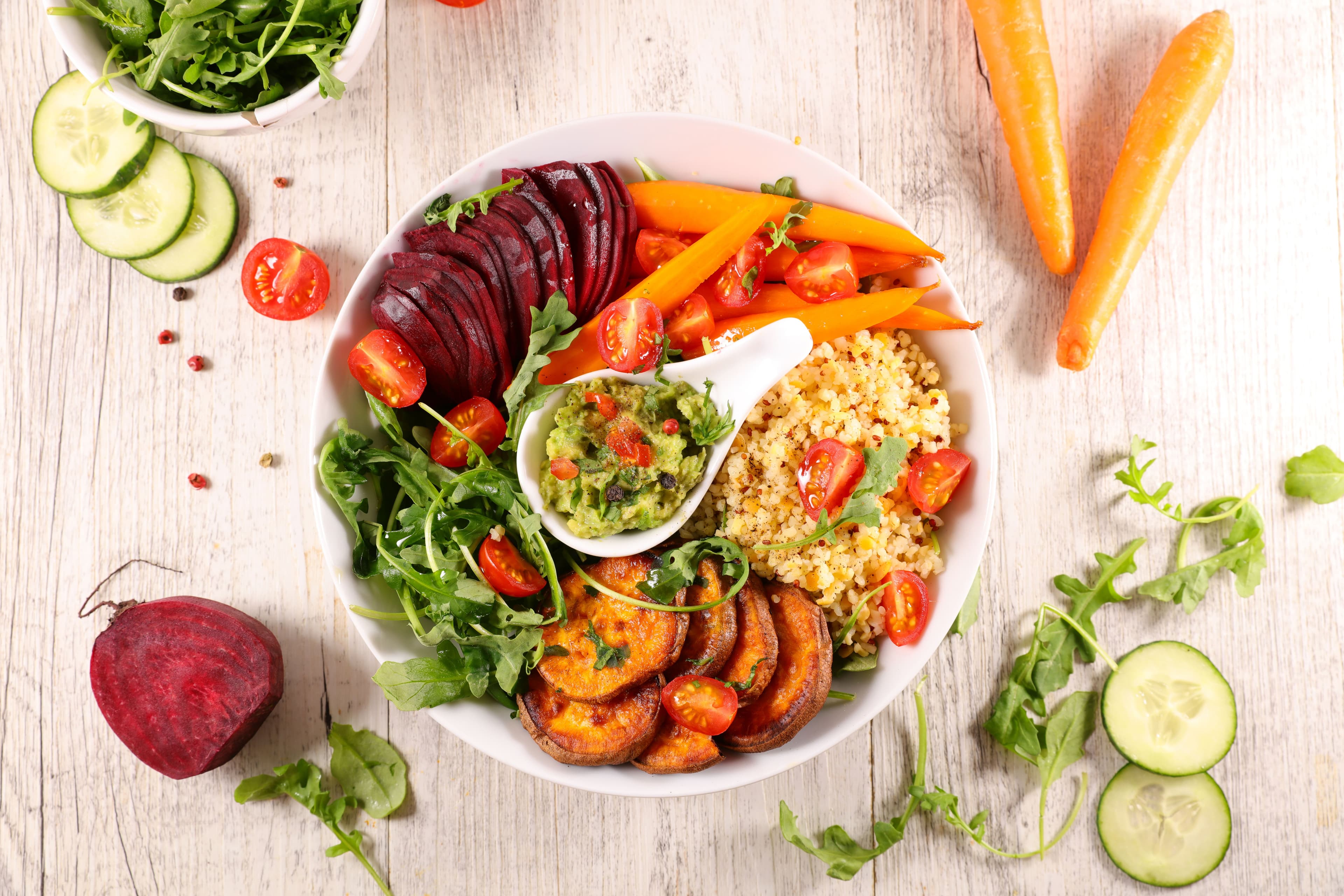
Breaking Your Fast
What you eat to break your fast matters. Start with easily digestible foods like bone broth or a small protein-rich meal before eating larger portions.
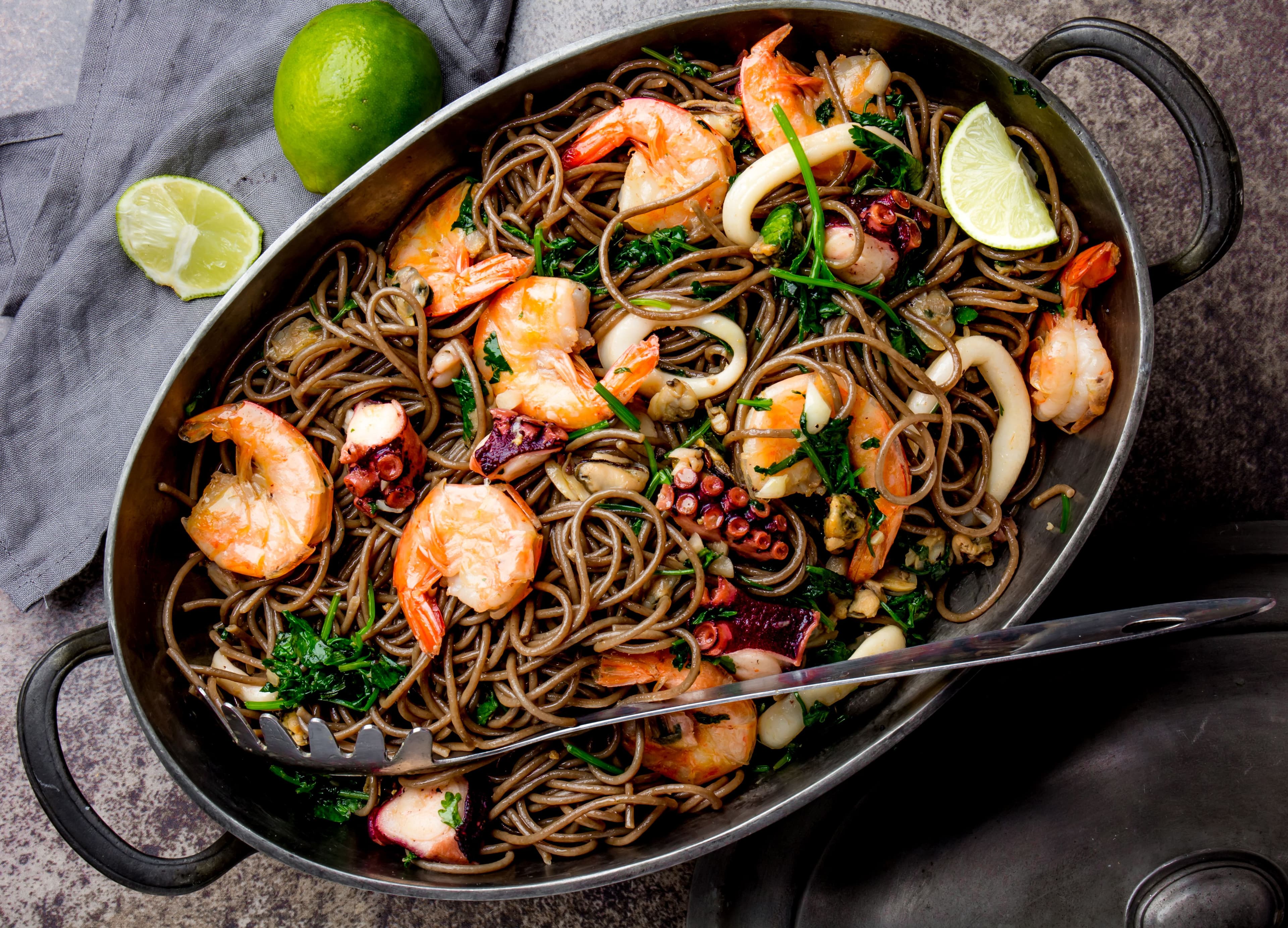

Building Your Practice
Start with a 12-hour eating window and gradually reduce it as your body adapts. Most people find success with 16:8 fasting, eating within an 8-hour window each day.
Breaking Your Fast
What you eat to break your fast matters. Start with easily digestible foods like bone broth or a small protein-rich meal before eating larger portions.
Keto Del Mundo Team
Reviewed by nutrition professionals
Our content is researched using peer-reviewed scientific studies and follows evidence-based nutrition guidelines.
- Science-backed research
- Expert reviewed
- Medical disclaimer compliant