
Starting the ketogenic diet can be exciting, but it's also easy to make mistakes that can derail your progress or make the transition harder than it needs to be. As someone who has guided hundreds of people through their keto journey, I've seen these common pitfalls time and time again. Here's how to avoid them and set yourself up for success.
1. Not Tracking Your Macros Properly
The ketogenic diet is more than just cutting carbs – it's about getting your macronutrient ratios right. Most people need to consume 70-75% of their calories from fat, 20-25% from protein, and only 5-10% from carbohydrates.
How to avoid it: Use a tracking app like MyFitnessPal or Carb Manager for at least the first few weeks. This will help you understand what proper keto portions look like and ensure you're actually in ketosis.
2. Eating Too Much Protein
This might surprise you, but too much protein can kick you out of ketosis. When you consume excess protein, your body can convert it to glucose through a process called gluconeogenesis. Many keto beginners overdo it on protein, thinking they need to build muscle.
How to avoid it: Aim for moderate protein intake – about 0.6-0.8 grams per pound of lean body mass. Focus on fatty cuts of meat and add healthy fats to your meals.
3. Not Drinking Enough Water and Electrolytes
When you start keto, your body flushes out water along with glycogen, taking essential electrolytes with it. This leads to the dreaded "keto flu" – headaches, fatigue, and irritability that many beginners experience.
How to avoid it: Drink plenty of water and supplement with sodium, potassium, and magnesium. Add salt to your food, eat potassium-rich foods like avocados and leafy greens, and consider a magnesium supplement.
4. Hidden Carbs Are Sabotaging Your Progress
Carbohydrates hide in unexpected places – sauces, dressings, medications, and even some vegetables. Many beginners are surprised to learn that a single tablespoon of ketchup can contain 4 grams of carbs, or that certain medications use sugar as fillers.
How to avoid it: Read every label carefully. Make your own sauces and dressings when possible, and track everything that goes into your mouth. Better yet, focus on whole foods that don't require labels.
5. Expecting Immediate Results
While some people see rapid results initially, sustainable progress takes time. Your body needs time to adapt to using fat for fuel, and this transition period can be challenging. Many beginners give up before they've given their bodies a chance to fully adapt.
How to avoid it: Be patient with yourself. It can take 2-4 weeks to become fully keto-adapted. Focus on how you feel rather than just the scale, and celebrate non-scale victories like increased energy or mental clarity.
6. Not Eating Enough Fat
After years of being told fat is unhealthy, many keto beginners struggle to eat enough of it. Without adequate fat intake, you'll feel hungry, tired, and might not achieve ketosis. Fat is your primary fuel source on keto – you need to embrace it.
How to avoid it: Add healthy fats to every meal. Cook with butter, coconut oil, or olive oil. Eat fatty cuts of meat, add cheese to your eggs, and don't be afraid to put butter in your coffee.
7. Ignoring Your Body's Signals
The ketogenic diet isn't one-size-fits-all. Some people thrive on very low carbs, while others need slightly more. Some feel great with dairy, while others don't. Ignoring your body's unique needs and signals can lead to frustration and poor results.
How to avoid it: Pay attention to how different foods make you feel. Keep a food and symptom journal. Be willing to adjust your approach based on your body's responses. The best keto diet is the one that works for you.
Starting the ketogenic diet is a journey, not a destination. By avoiding these common mistakes, you'll set yourself up for success and make the transition much smoother. Remember to be patient with yourself, stay consistent, and don't be afraid to ask for help when you need it.
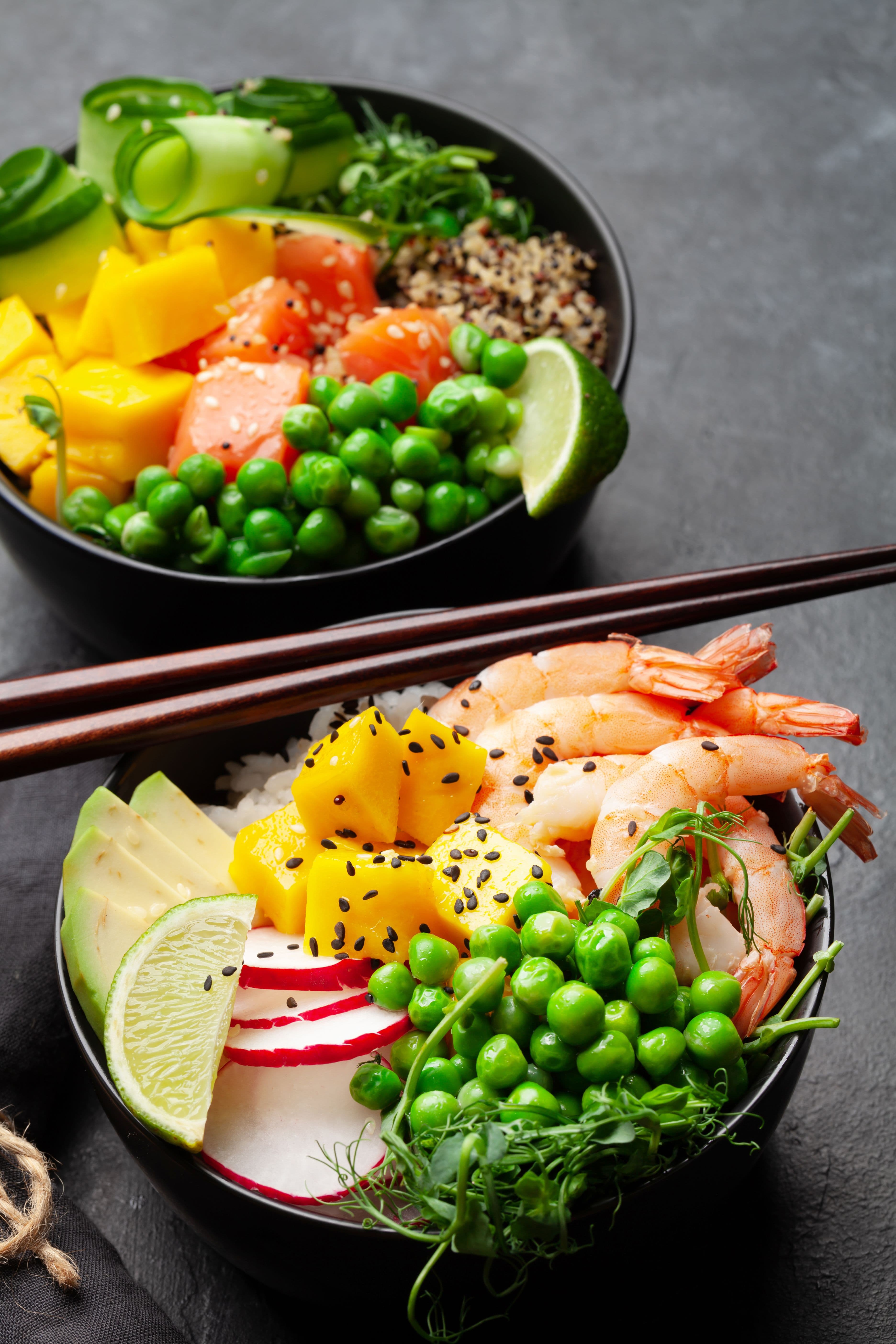
Tracking Your Progress
Keep a food diary to identify hidden carbs in your diet. Many sauces, condiments, and processed foods contain surprising amounts of sugar that can knock you out of ketosis.
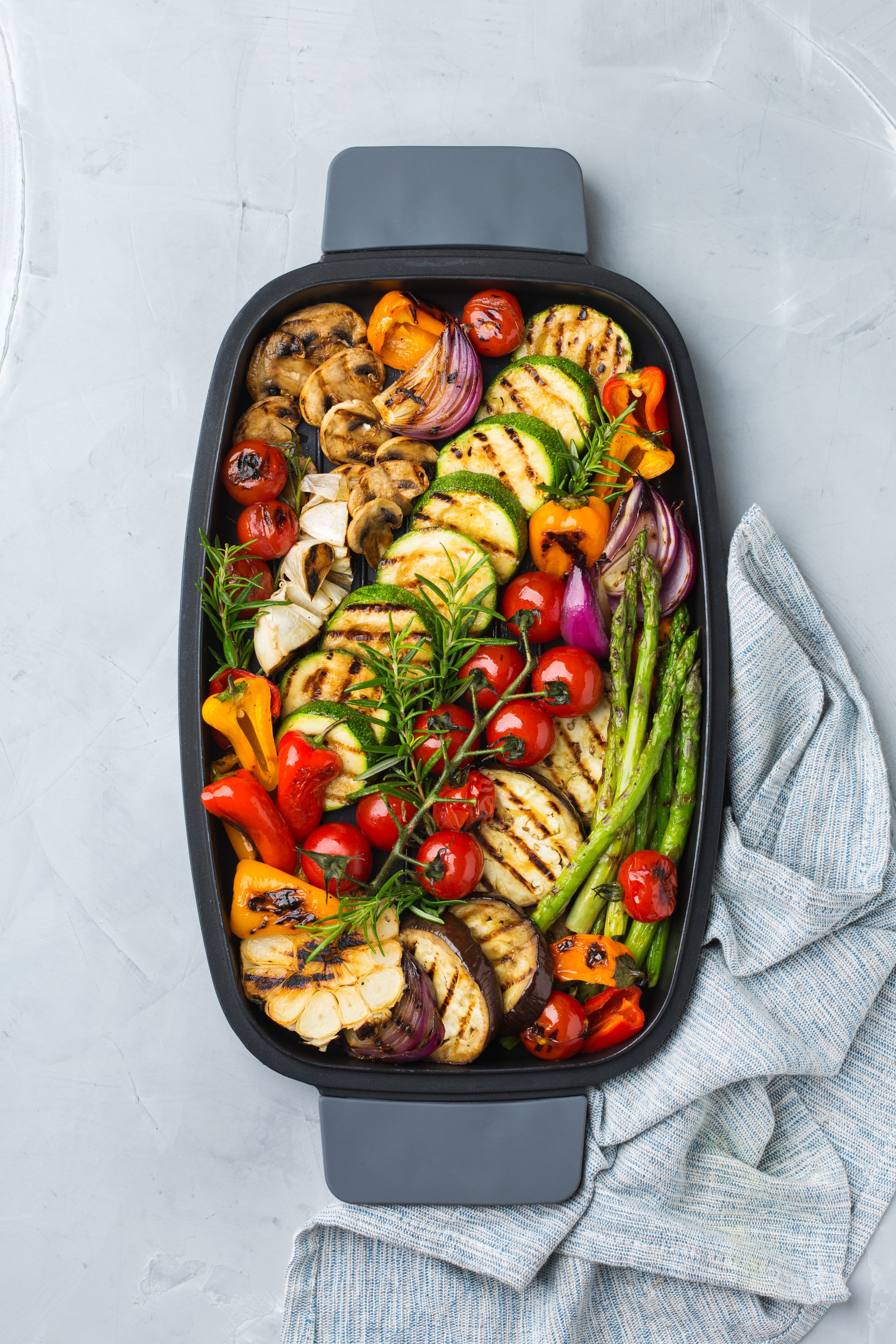
Recovery Strategies
If you accidentally break ketosis, dont panic. Resume your normal keto eating and consider intermittent fasting to speed up your return to fat-burning mode.

Tracking Your Progress
Keep a food diary to identify hidden carbs in your diet. Many sauces, condiments, and processed foods contain surprising amounts of sugar that can knock you out of ketosis.
Recovery Strategies
If you accidentally break ketosis, dont panic. Resume your normal keto eating and consider intermittent fasting to speed up your return to fat-burning mode.

Keto Del Mundo Team
Reviewed by nutrition professionals
Our content is researched using peer-reviewed scientific studies and follows evidence-based nutrition guidelines.
- Science-backed research
- Expert reviewed
- Medical disclaimer compliant